Define life stage, purchase motivation, objections, and the decision conditions that matter.
Portfolio development guide / Not final case-study content
Amiata
Development Marketing System
A production framework for turning the existing property assets into a complete new-development campaign with one positioning premise, one visual system, and one controlled buyer journey.
How to use this page
This is a working guide for what Ezra should create next. It is not presented as commissioned work or as a finished Craft + Code case study. Replace the instructional modules with final strategy and completed applications only after the new campaign is built.
01 / Strategic foundation
Begin with the development story, not the deliverable list.
The final work needs one defensible answer to four questions: who this collection is for, why it is meaningfully different, what buyers should understand first, and what evidence makes the promise believable.
Write one concise premise that separates the collection from neighboring options.
Translate architecture, plans, amenities, and location into one coherent residential promise.
Identify verified features, plan differences, community assets, and location evidence.
02 / Campaign architecture
Eight connected systems to build.
Every application should inherit the same positioning, message order, visual rules, and photography direction. The work becomes a system when later pieces no longer require the strategy to be reinvented.
Development positioning
Define the single market-facing premise, competitive difference, buyer promise, and proof supporting the campaign.
Community identity
Establish the campaign mark, typography, color, image treatment, layout rules, and approved message hierarchy.
Website system
Build the buyer journey from first impression through residences, amenities, location, availability, and appointment request.
Community brochure
Create the complete sales narrative in a controlled editorial document rather than a collection of disconnected pages.
Residence collection
Give every plan a consistent naming, feature, floor-plan, finish, and comparison structure.
Sales-center materials
Extend the system into displays, handouts, agent tools, tour materials, and follow-up communication.
Launch campaign
Coordinate teaser, reveal, social, email, digital advertising, signage, and broker outreach around one sequence.
Campaign standards
Document the rules so future materials remain recognizable after the initial portfolio build is complete.
03 / Example visual sequence
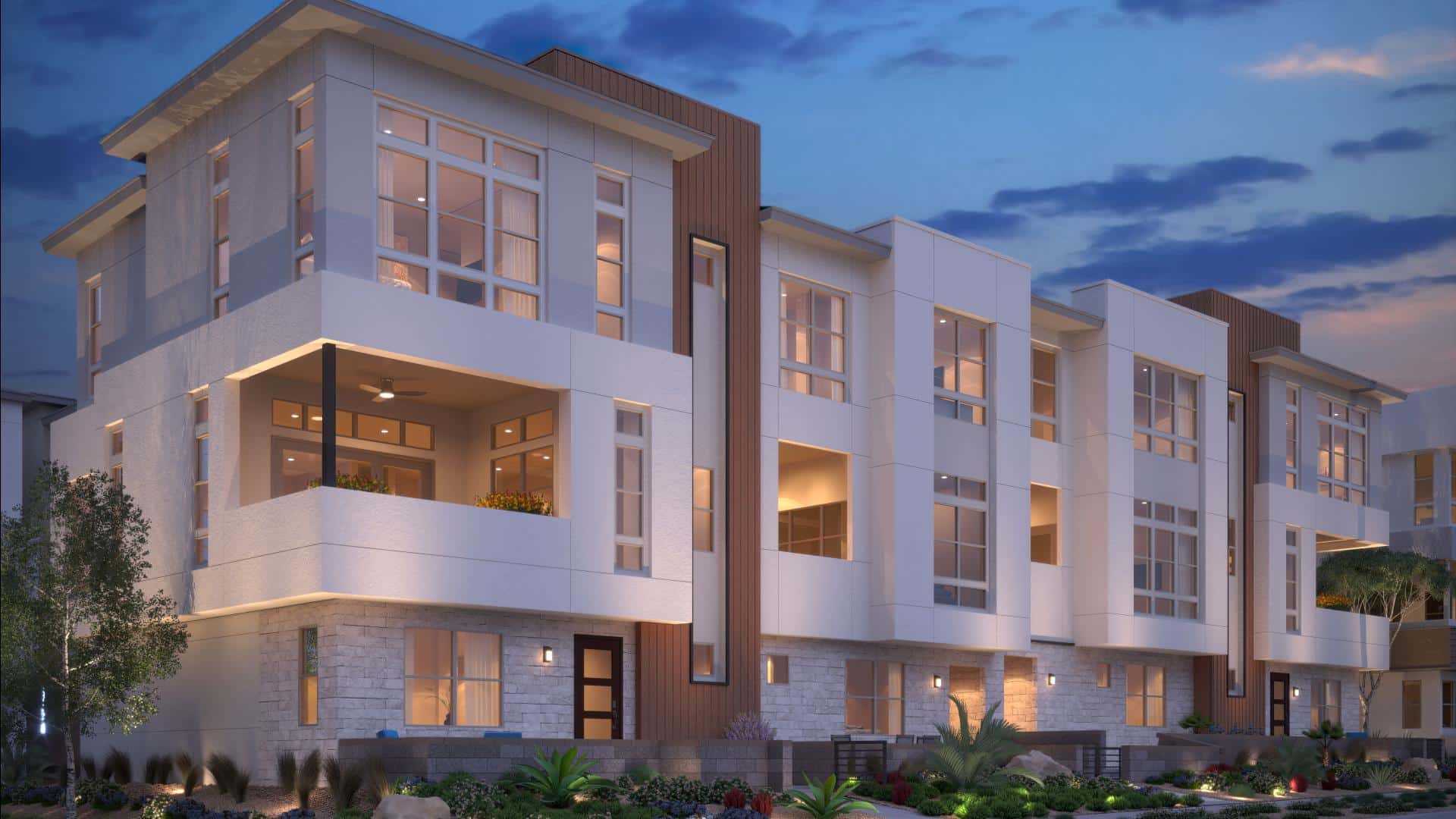
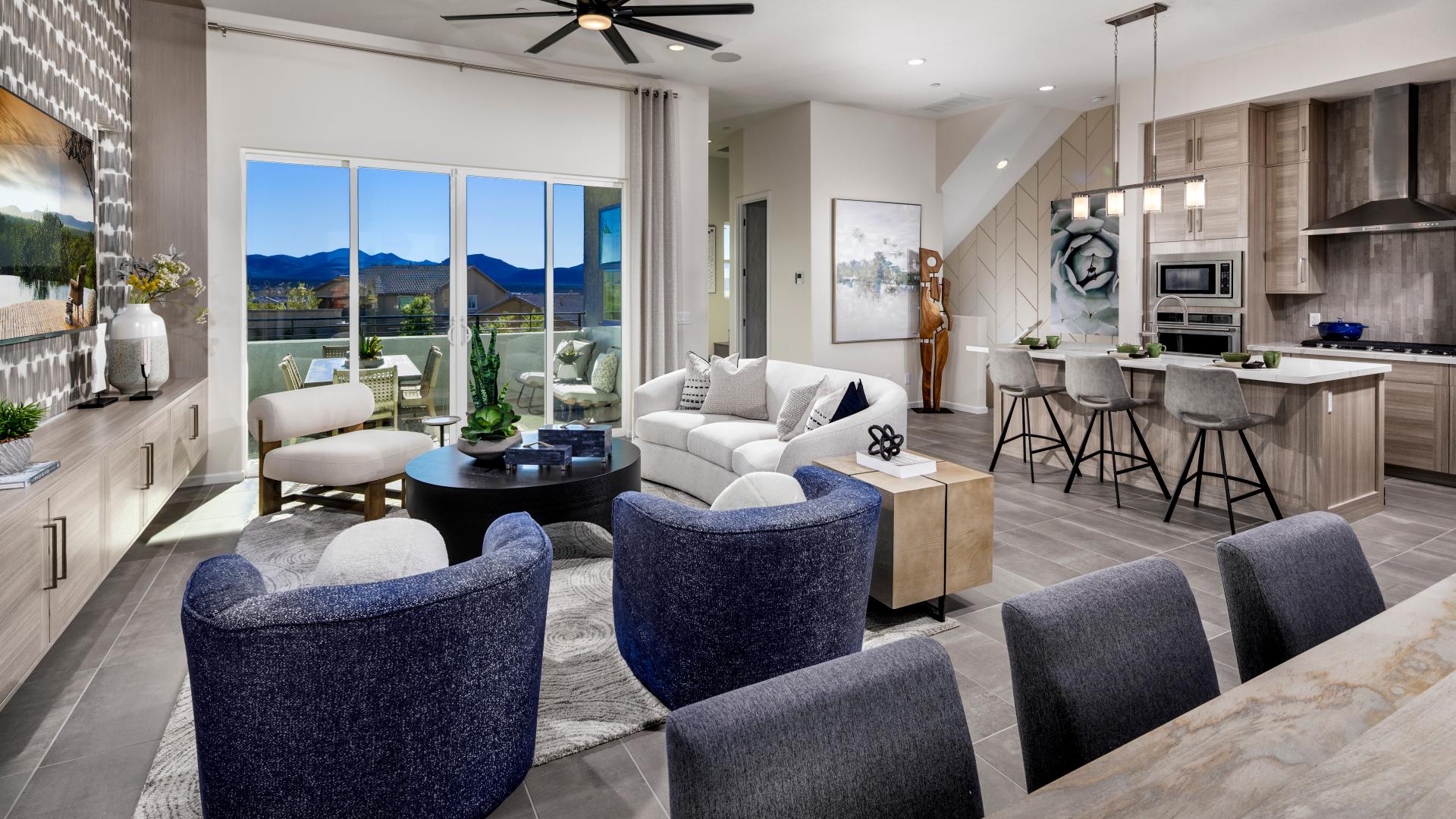
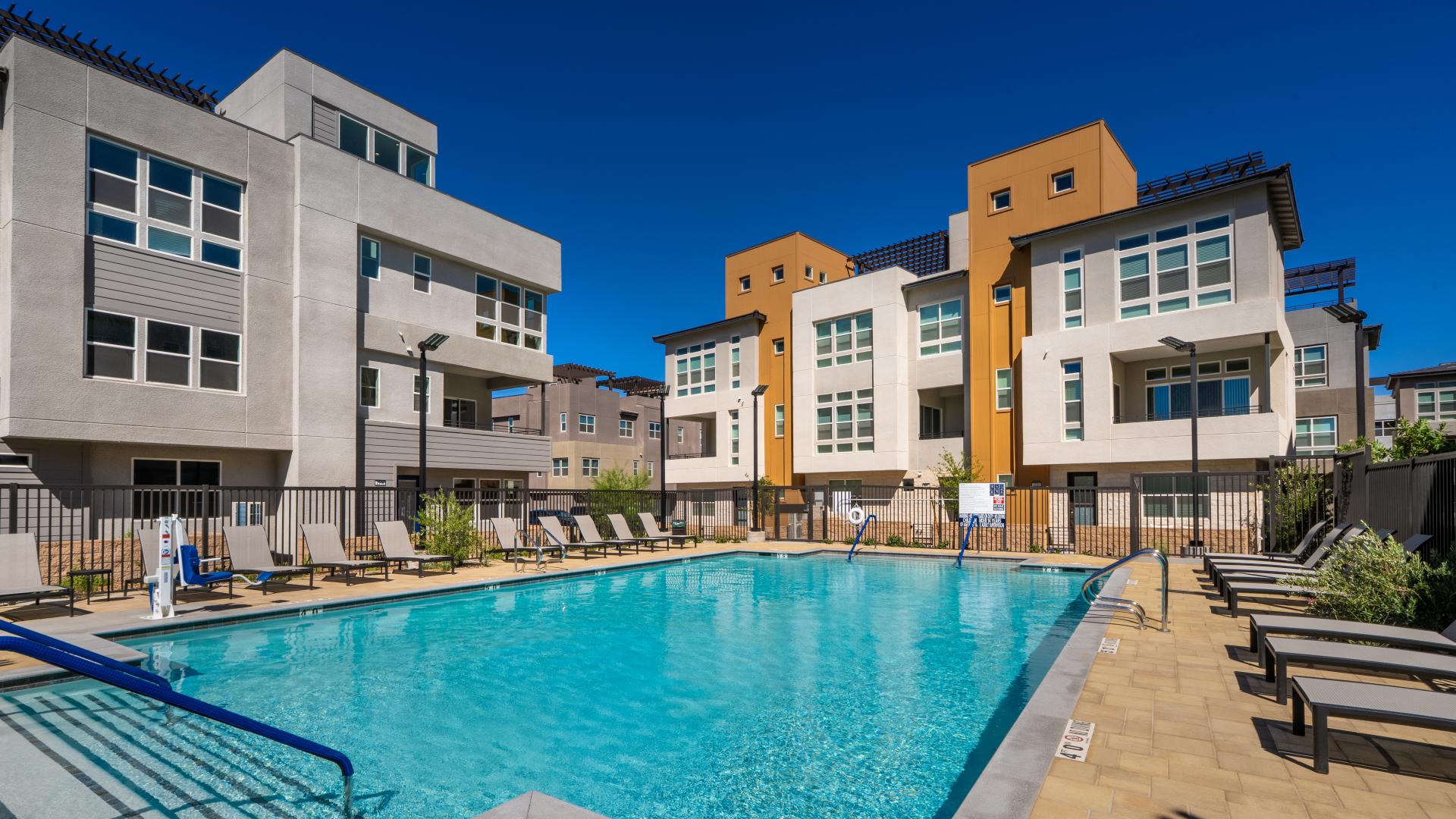
Use the existing imagery to tell one complete story.
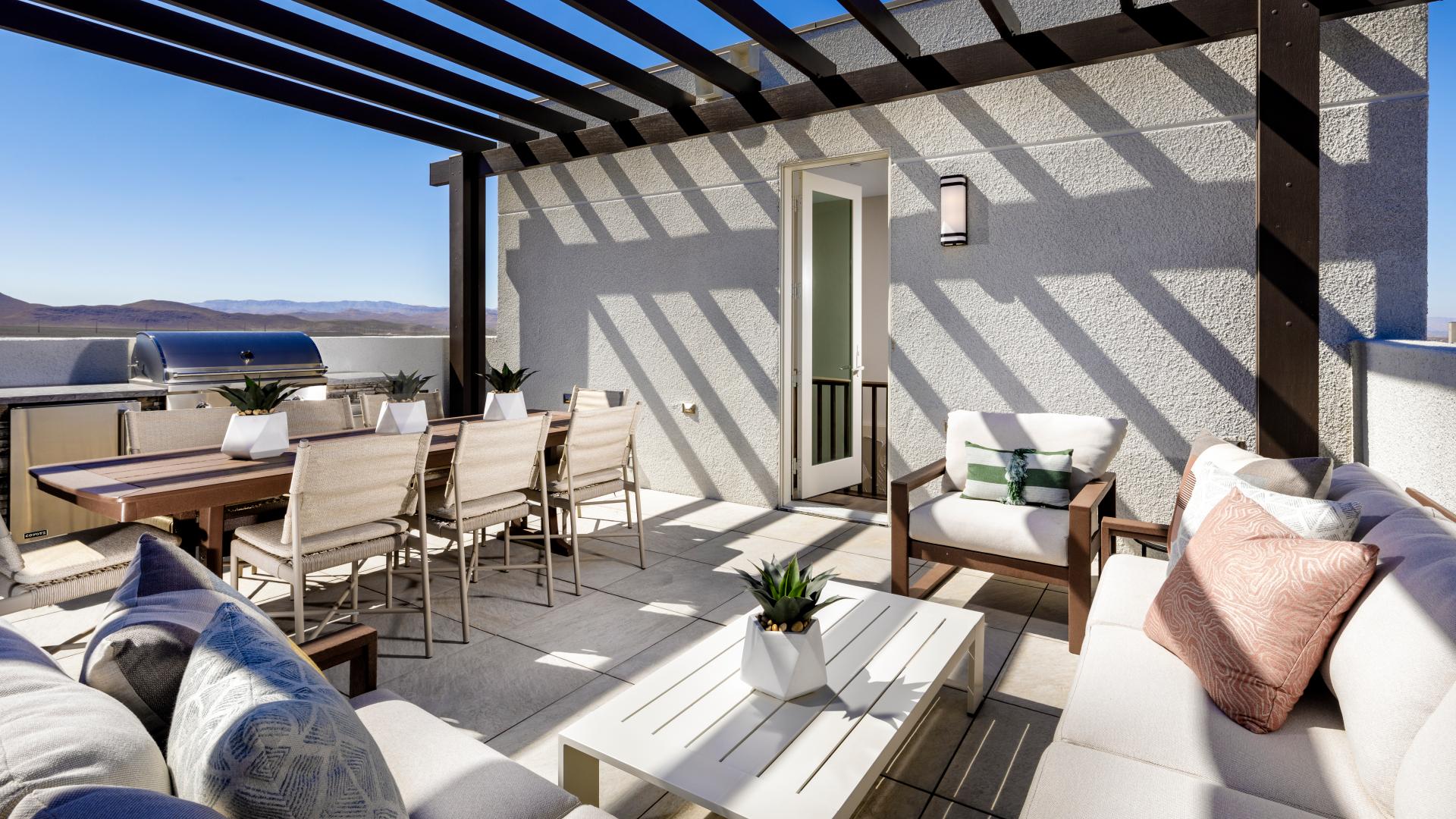
The images below are raw campaign ingredients. The rebuilt case study should demonstrate how each image serves a specific stage of buyer understanding.

04 / Case-study page order
Build the final page in this sequence.
Case-study opening
Hero image, project title, precise disclosure, role, and a one-sentence strategic premise.
The development opportunity
Explain the market situation and buyer decision without inventing performance claims.
The governing idea
Show the positioning statement, message hierarchy, visual premise, and reasons behind the direction.
The integrated system
Present website, brochure, floor plans, email, social, signage, and sales materials as one coordinated family.
The buyer journey
Demonstrate how awareness becomes consideration, a visit, and sales follow-up.
What the work proves
Close with the strategic capability demonstrated, not an unsupported sales outcome.
05 / Minimum finished package
What must exist before Amiata replaces the current portfolio concept.
- Approved positioning and buyer profile
- Message hierarchy and campaign language
- Complete website concept
- Community brochure and residence pages
- Floor-plan presentation system
- Launch email and social campaign
- Signage or sales-center application
- Campaign standards sheet