
The promise
Founder portfolio / Self-initiated concept
The Amiata
Collection
Residential property marketing system
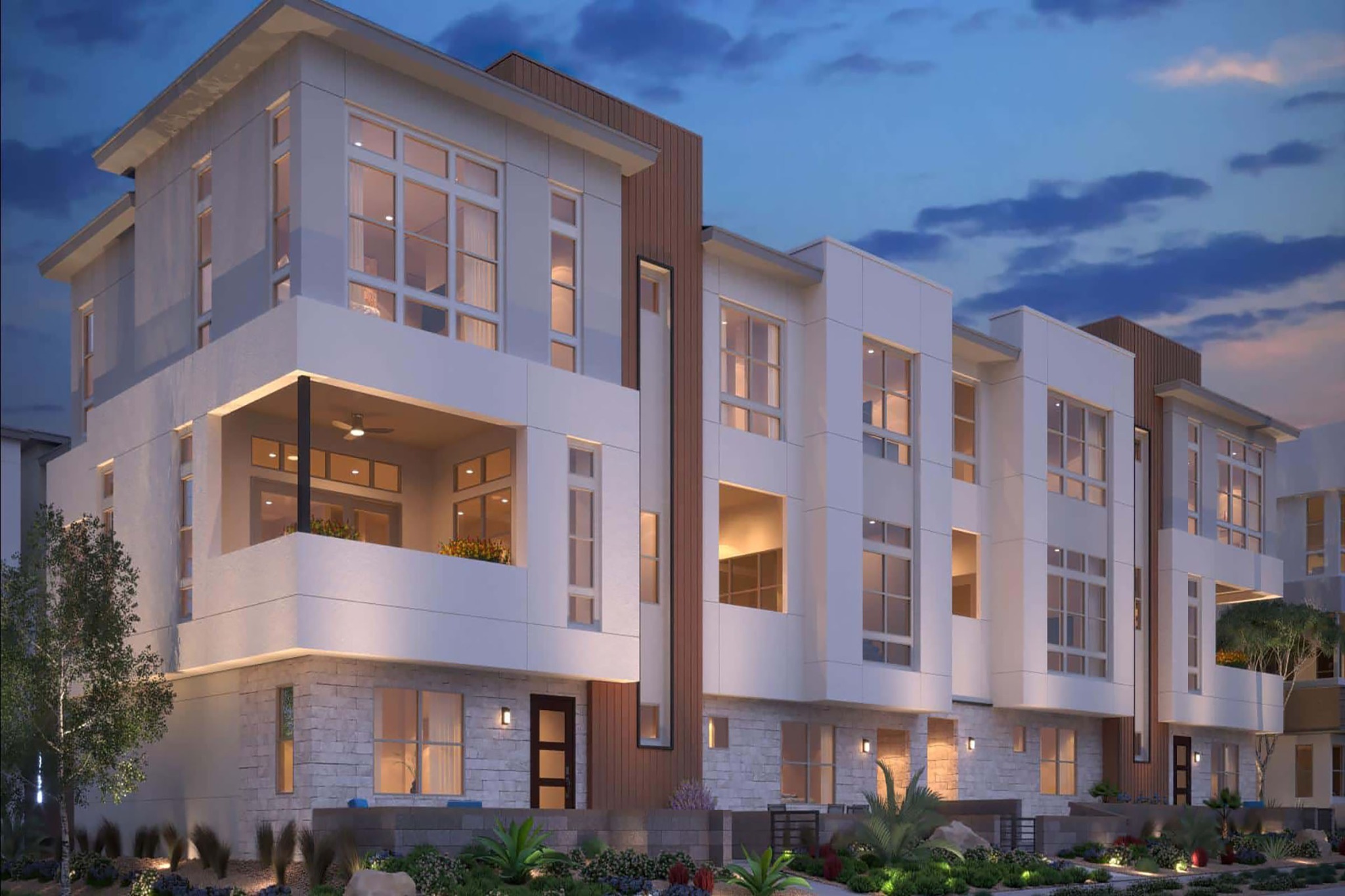
A portfolio concept translating a real residential development into one coherent sales story across web, brochure, floor plans, email, social media, signage, and sales presentation.
Portfolio disclosure
Self-initiated founder portfolio concept created by Ezra Danridge for a real residential development. The work was not commissioned by the developer, builder, or Inspirada and is presented to demonstrate strategic and creative capability.
02 / The development opportunity
Make the complete living proposition easier to understand.
Amiata occupies a distinctive position within the Inspirada master-planned community: spacious new townhomes that combine multi-level residential design, private outdoor-living options, attached garages, and access to a broader network of parks, trails, retail, and community amenities.
The marketing opportunity is not simply to present individual floor plans or compile a list of features. It is to connect the residences, architecture, outdoor spaces, private pool, and Inspirada setting into one coherent reason to consider the collection.
The buyer decision is layered. Prospective residents must determine whether Amiata provides the right balance of interior space, functional flexibility, outdoor living, community connection, and lower-maintenance townhome ownership. They also need to understand the meaningful differences among the Argento, Divini, and Lustro designs without having to assemble the comparison themselves.
The marketing system should make that evaluation clearer. It should establish the overall residential promise first, organize the supporting evidence around the home, the outdoor experience, and the surrounding community, then guide buyers toward the design and configuration that best fit how they want to live.
The objective is not to make an unsupported claim about demand or desirability. It is to give qualified buyers a more structured and compelling way to understand what Amiata offers, why its features matter, and whether the collection is right for them.
Property information based on the official Toll Brothers Amiata Collection website, reviewed September 2026.
03 / The governing idea
Elevated desert living, organized around space, openness, and connection.
The governing idea presents Amiata as a deliberate form of residential luxury: generous multi-level interiors, private outdoor-living options, and the connected everyday experience of Inspirada, delivered through a lower-maintenance townhome format.
Positioning statement
Amiata is the elevated townhome collection for buyers who want the space and finish of a new luxury residence, the freedom of lower-maintenance living, and a stronger connection to the places and experiences surrounding home.
Visual premise
Desert modernity with residential warmth.
The visual system uses architectural geometry, desert light, and generous negative space to express the height and openness of the homes. Warm mineral neutrals provide the residential foundation; deep evening blue and a restrained periwinkle accent distinguish the collection without relying on familiar gold-and-black luxury cues. Photography moves in a controlled sequence from arrival, to interior volume, to outdoor living, to community context.
Why this direction
Multi-level plans, high ceilings, natural light, rooftop options, courtyards, patios, and the private pool create a recurring story of openness and outdoor connection. The three home designs require a disciplined comparison system, while the Inspirada setting means the marketing must communicate both the residence and the life around it. Restraint keeps the work credible and allows the architecture to carry the sense of luxury.
Strategic direction developed by Craft + Code from publicly available Toll Brothers property information. It does not represent an approved Toll Brothers campaign.
04 / The integrated system
One property story, expressed across seven coordinated applications.
The system uses one governing idea, message hierarchy, palette, typography, and image sequence. Each application performs a different job, but every piece remains recognizably part of the same buyer experience.
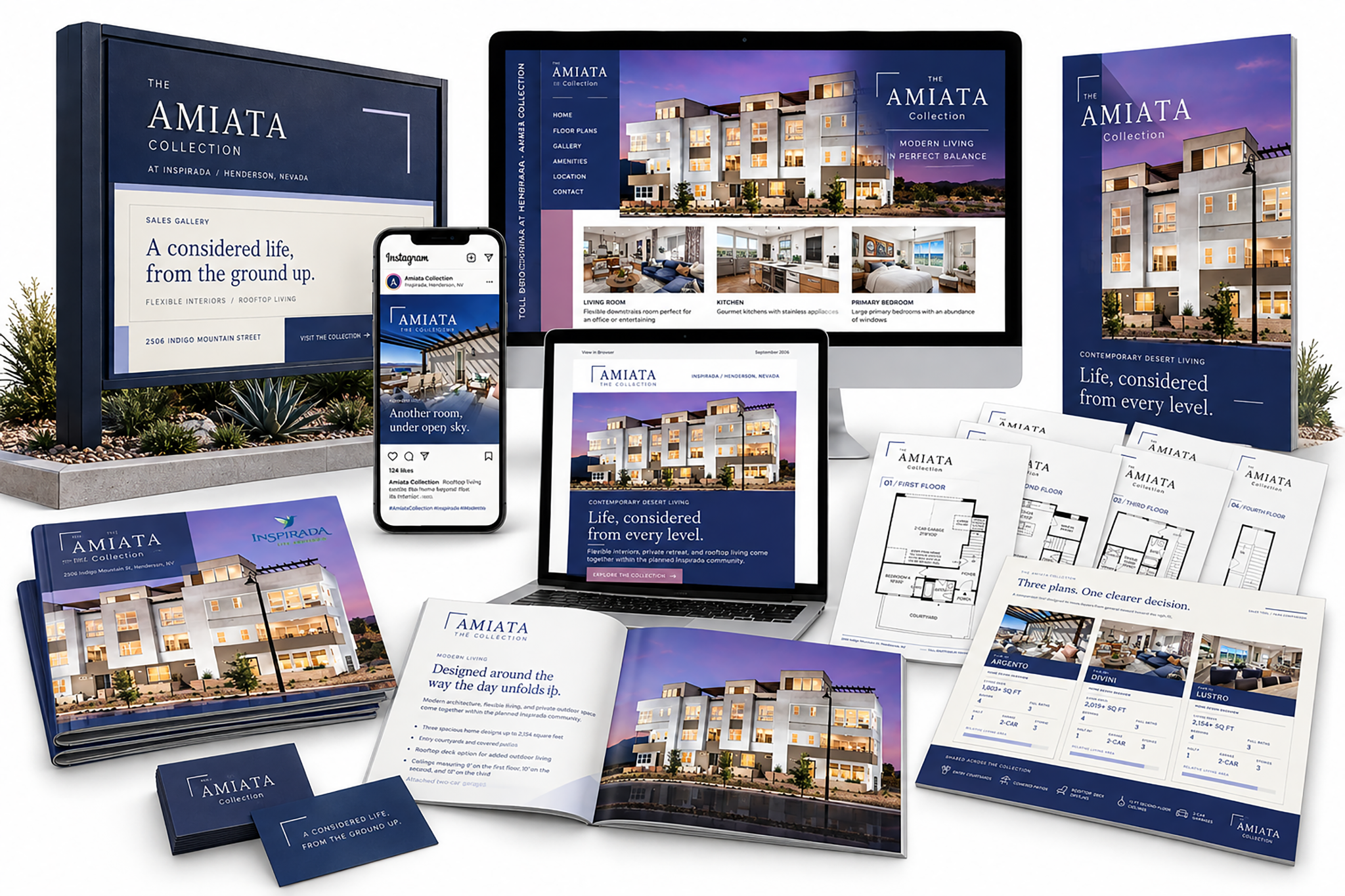
01 / Website
Establish the complete living proposition first.
The desktop and mobile experience lead with the collection, then move through architecture, interiors, rooftop living, and a clear next step.
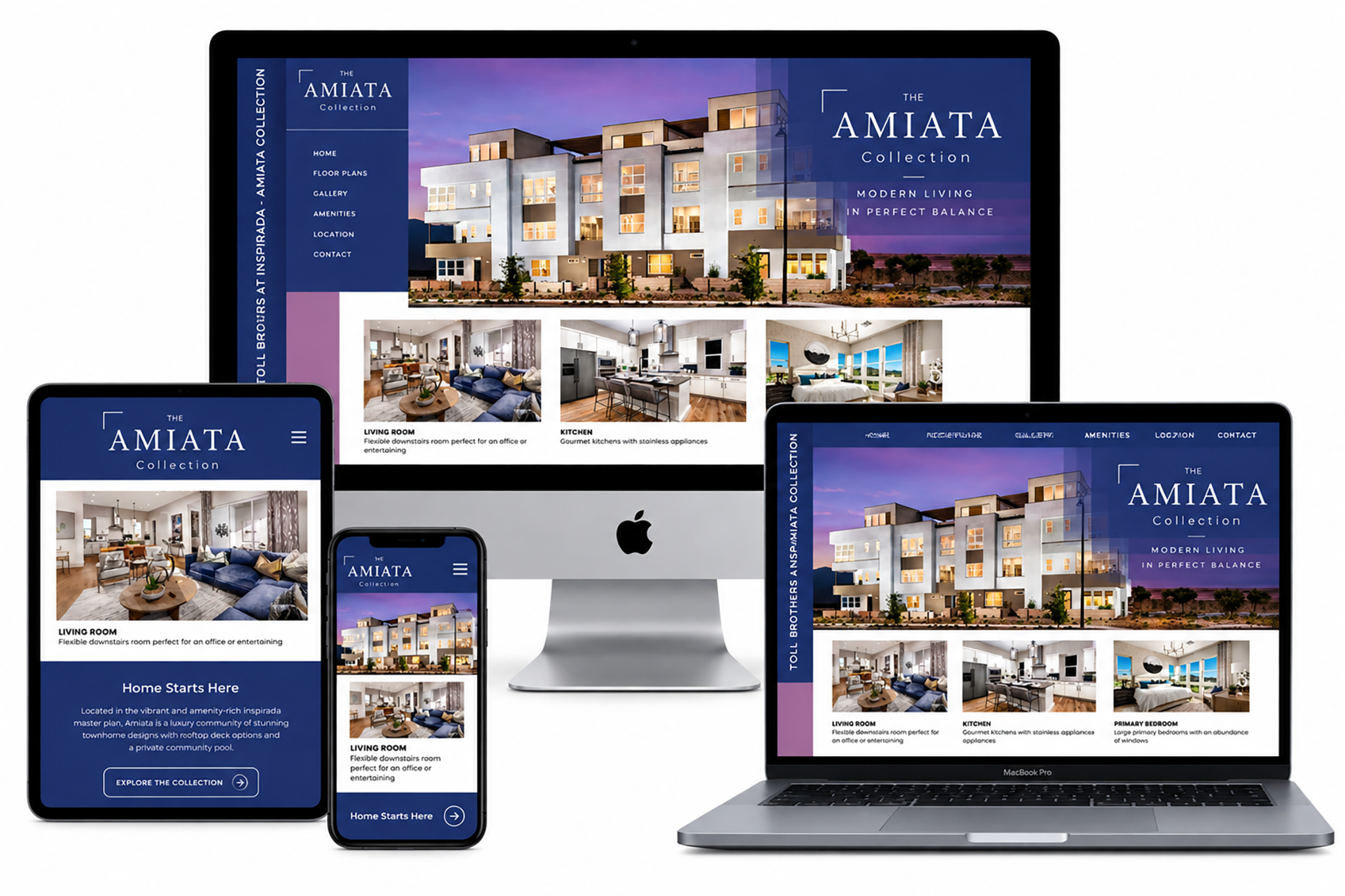
02 / Brochure
Turn the residential promise into a considered document.
The brochure carries the same visual authority into a slower, more tactile sales experience, balancing arrival, property detail, and supporting information.
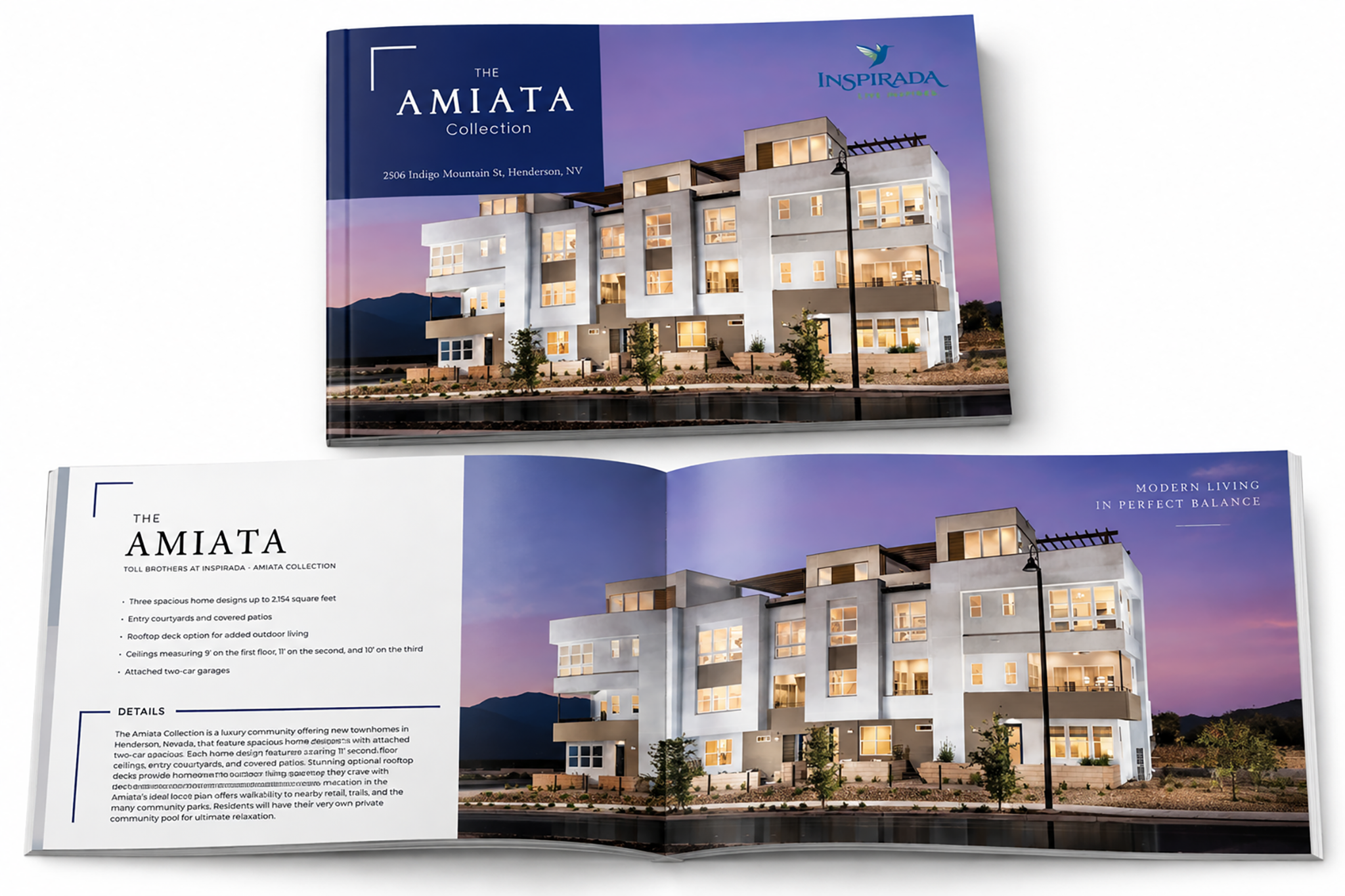
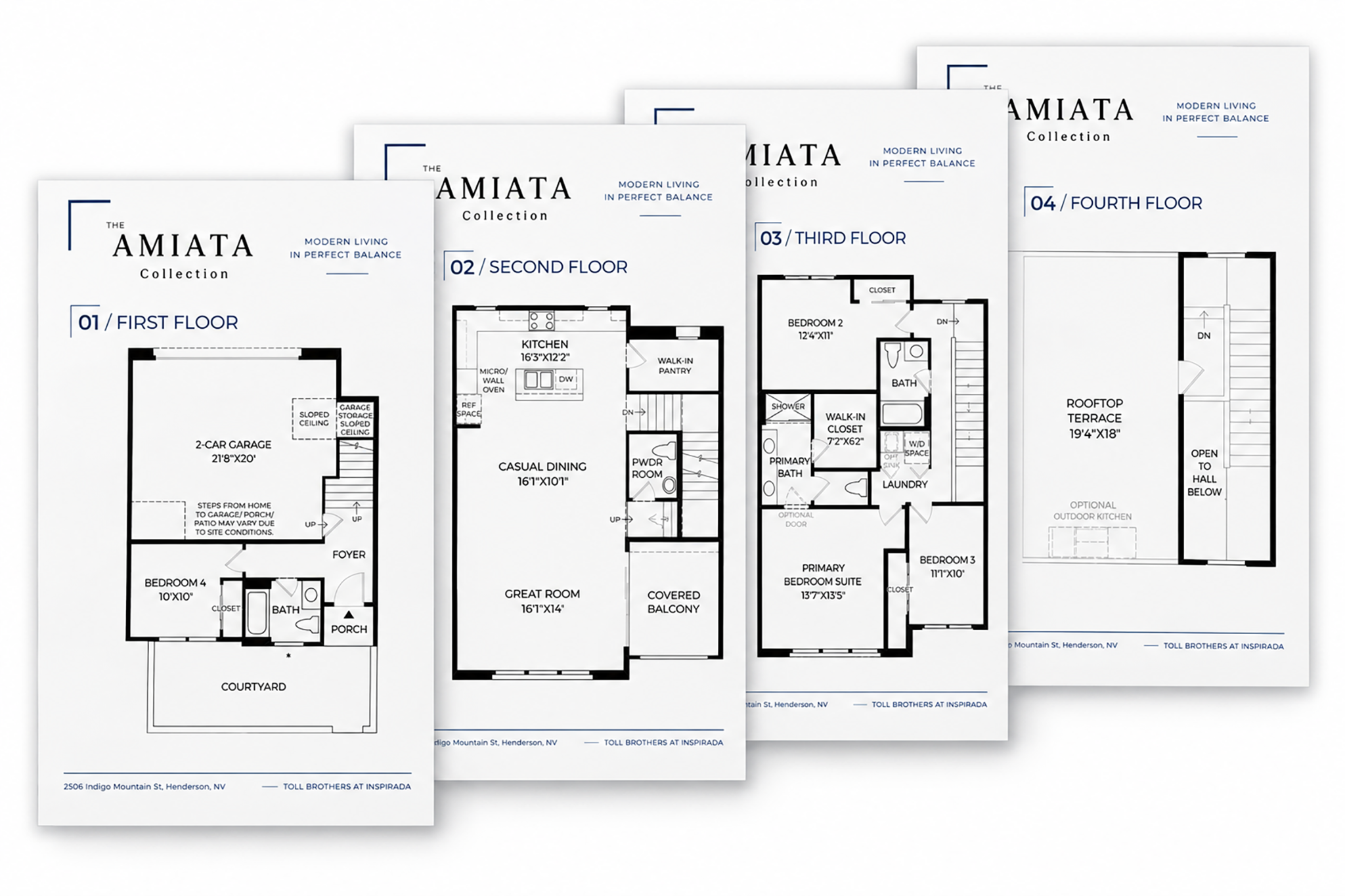
03 / Floor plans
Make vertical living understandable at a glance.
Four levels are organized into one controlled presentation so buyers can understand circulation, daily-use zones, private retreat, and rooftop space without losing the complete home.
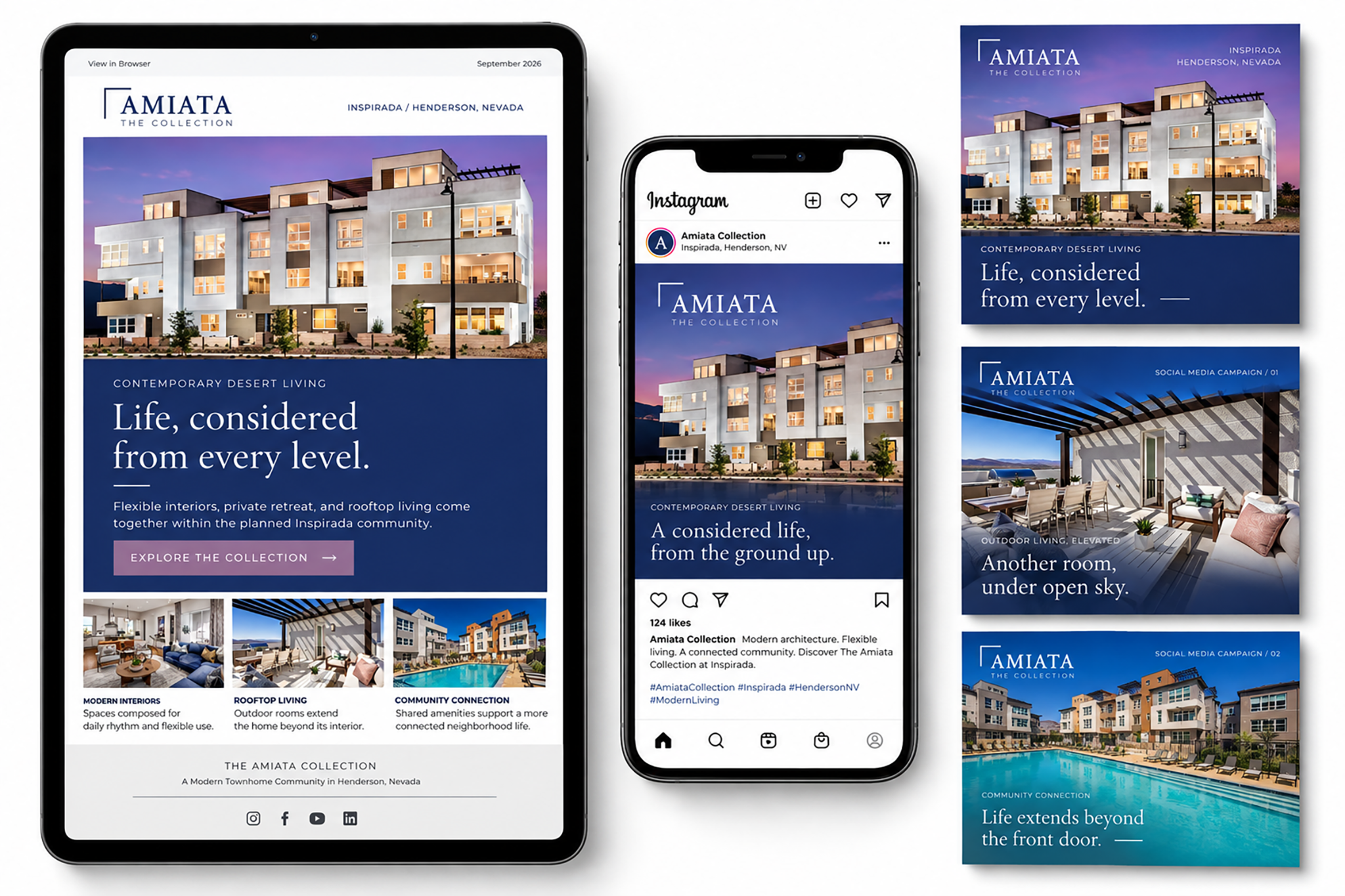
04 + 05 / Campaign
Carry one idea across direct and social communication.
Email builds the fuller residential argument. Social content isolates individual reasons to consider the collection, creating variety without fragmenting the campaign.
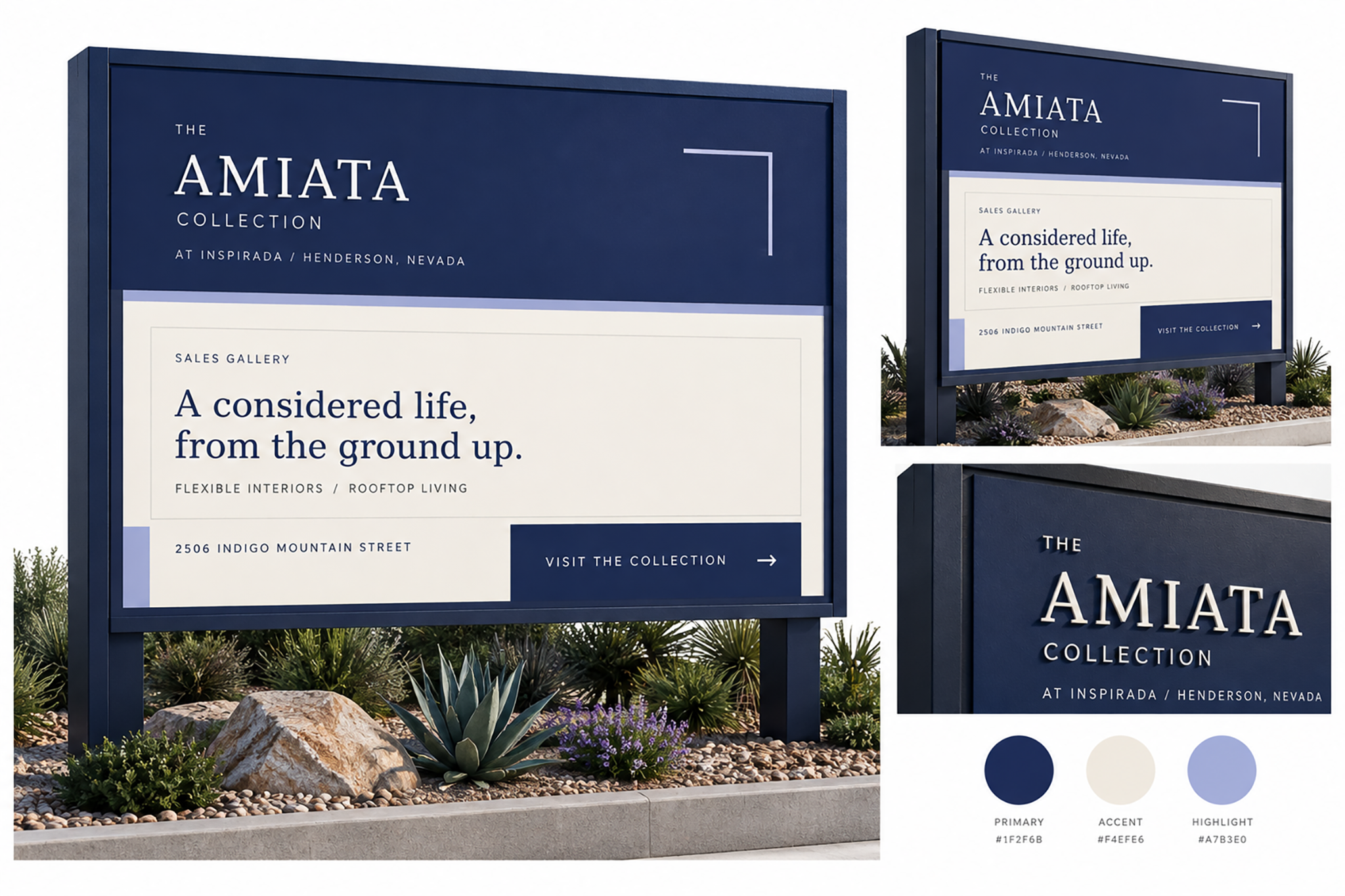
06 / Signage
Extend the campaign into the physical arrival.
The sales-gallery sign reduces the system to its most essential elements: collection identity, governing message, location, and clear direction.
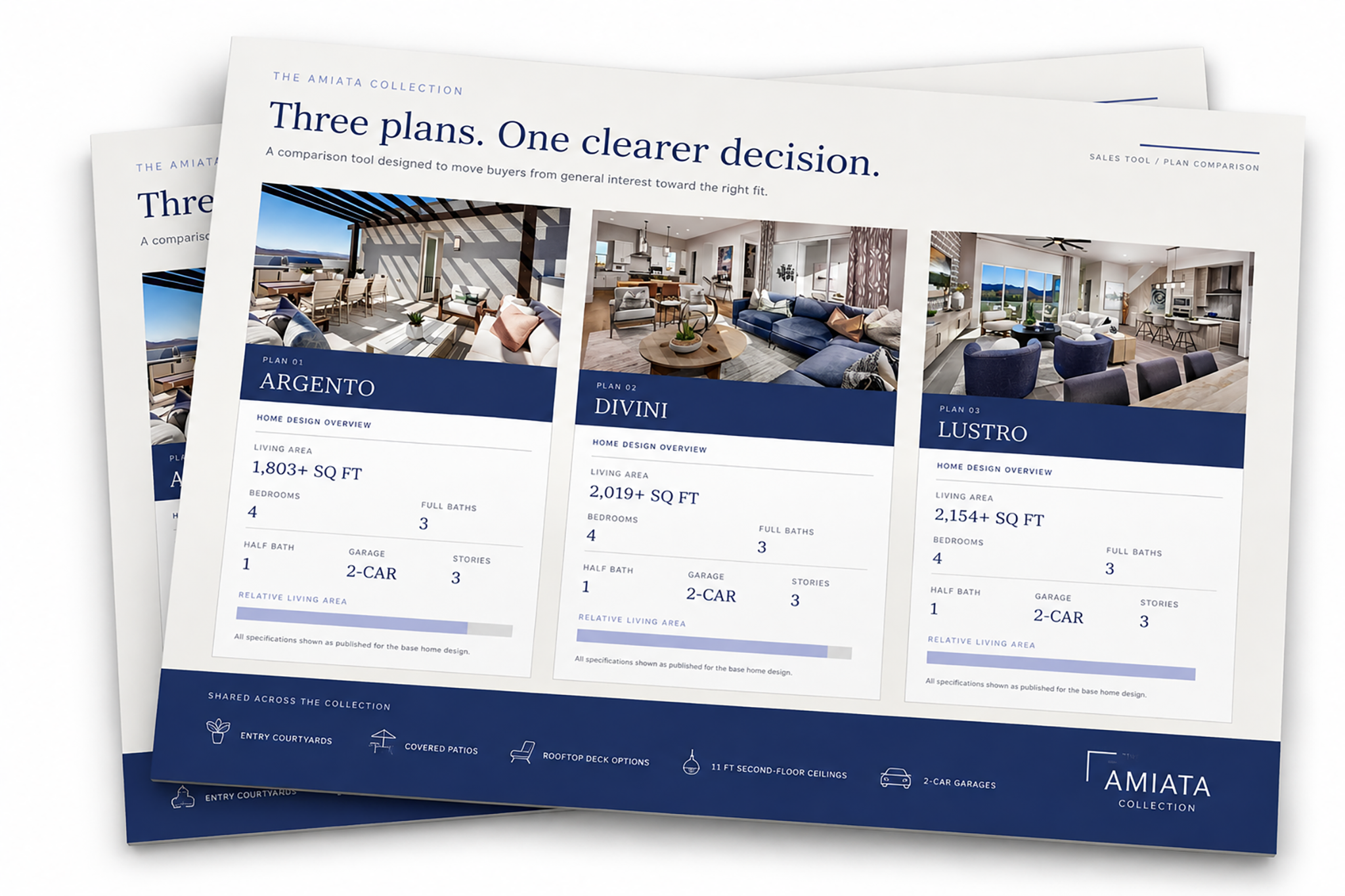
07 / Sales materials
Help buyers compare without manufacturing differences.
Argento, Divini, and Lustro share several core specifications. The comparison sheet therefore emphasizes the meaningful variable, living area, while keeping common collection features visible.
05 / The buyer journey
Every touchpoint should move the buyer toward one clear next decision.
The Amiata property page already provides the essential decision material: community positioning, available homes, three home designs, amenities, galleries, 3D walkthroughs, sales contact, and tour scheduling. The Craft + Code strategy organizes those elements into one connected progression rather than treating them as separate marketing tasks.
Is this relevant to how I want to live?
Lead with the complete living proposition.
Campaigns, social content, email, and community-facing materials introduce elevated townhome living within Inspirada through space, natural light, outdoor-living options, and community connection.
Next decision: Explore the collectionDoes one design fit my needs?
Turn interest into an informed comparison.
The website, brochure, floor plans, available-home information, amenities, and 3D walkthroughs help buyers compare Argento, Divini, and Lustro without reconstructing the story themselves.
Next decision: Select priorities and schedule a visitCan I see myself living here?
Prepare the visit around what matters to the buyer.
Appointment communication carries known preferences into the sales center. Directions, relevant designs, available homes, and requested features are organized before arrival so the visit can focus on fit rather than repetition.
Next decision: Identify the best-fit plan or homeWhat do I need to decide next?
Continue the conversation with context.
Follow-up recaps the buyer’s preferred design, relevant availability, requested information, open questions, and agreed next step. The record stays specific to the buyer instead of dropping them into a generic campaign.
Next decision: Advance, revisit, or remain in relevant nurtureThe governing principle
One journey, one record, one next step.
Stage ownershipEach inquiry has a defined owner, current stage, and required response.
Context carried forwardBuyer preferences move from digital inquiry to visit preparation and follow-up.
Relevance over pressureCommunication answers the buyer’s next decision instead of adding indiscriminate volume.
Journey strategy developed by Craft + Code from the public Toll Brothers Amiata Collection experience. It demonstrates a proposed communication system and does not represent Toll Brothers’ internal sales process or performance.
06 / What the work proves
Property marketing becomes stronger when every decision is governed by one strategic idea.
This case study does not prove a sales result. It proves the ability to turn a complex residential offering into a clear position, a coordinated marketing system, and a more deliberate buyer experience.
Translate property facts into a position.
The residence, outdoor-living features, amenities, and Inspirada setting become one differentiated living proposition rather than a disconnected list of benefits.
Build order around a complex decision.
Three home designs, changing availability, floor-plan differences, amenities, and visit options are organized around the questions a buyer must answer.
Govern many materials as one system.
Website, brochure, floor plans, email, social, signage, and sales materials can share one message hierarchy, visual premise, and standard of presentation.
Connect marketing to the buyer journey.
Awareness, consideration, the visit, and follow-up become linked stages that carry context forward and make the next decision clear.
Create standards that can continue.
The system gives future materials a strategic and visual framework, allowing the property story to remain recognizable as inventory and communication needs change.
Strategic capability demonstrated
Craft + Code can identify the governing idea inside a real estate offering, build a coordinated system around it, and carry that system from first exposure through sales follow-up.
Capability demonstrated: strategic architecture, property positioning, message hierarchy, creative direction, system design, and buyer-journey planning. No claim is made regarding lead volume, demand, conversion, sales velocity, pricing, or revenue performance.
Bring the system into focus
Does your real estate marketing feel like one recognizable experience?
Rebrand Architecture identifies where positioning, communication, and execution have fallen out of alignment.
Complete the fit application